Travel writers keep discovering “urban safaris” as if they are new. They are not. Nairobi National Park has parked lions within sight of office towers since 1946, decades before anyone coined a trend name for it. Touring Insights looks at how this park built the original template, and where the idea is spreading next.
The pitch sounds unlikely until you check a map. A working city sits on one side of the fence line. Free-ranging lions, rhinos, and giraffes live on the other. Few places on earth pull that off at all, let alone for eighty years.
What Makes a Safari “Urban”
An urban safari puts real, unfenced wildlife within a short drive of a capital city center, not a game park hours into the bush. Nairobi National Park qualifies. Its Main Gate sits roughly 7 km from the city’s central business district. Some visitors reach it faster than they’d cross town in rush-hour traffic.
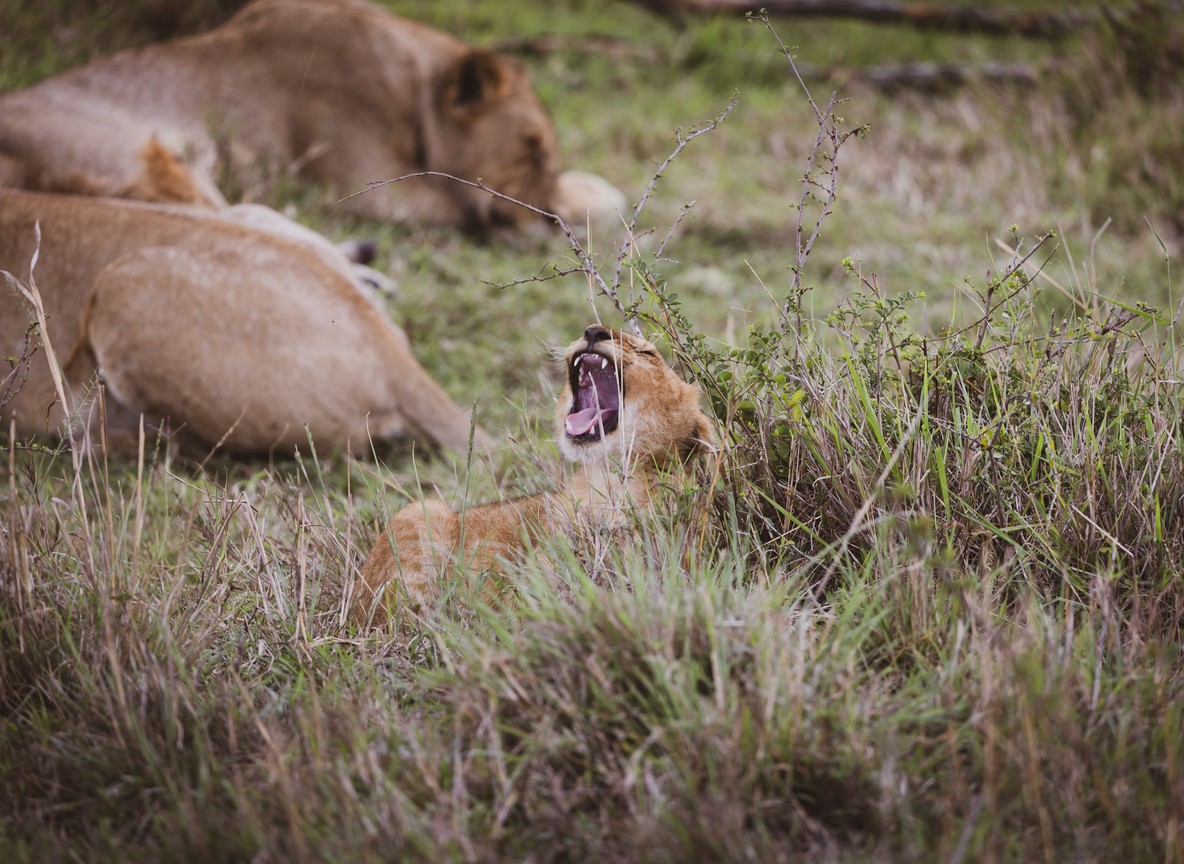
The park covers about 117 km2, small by East African standards, yet it holds lions, over 100 black rhinos, giraffes, buffalo, and more than 400 recorded bird species. Kenya Wildlife Service manages it as a full national park, not a zoo or a fenced sanctuary, so sightings depend on the same luck and patience as any bush safari.
Nairobi National Park by the Numbers
Numbers explain the appeal better than description alone. Here is what a visitor actually works with on the ground.
| Detail | Figure |
|---|---|
| Park size | approx. 117 km2 (28,900 acres) |
| Distance from Nairobi CBD | approx. 7 km; 15-20 min drive to Main Gate off-peak |
| Established | 1946 (Kenya’s first national park) |
| Southern boundary | unfenced, opens onto the Kitengela / Athi-Kapiti plains |
| Black rhino population (reported) | 100+ |
| Non-resident adult entry fee (2026) | approx. $80 (up from $43 pre-2026, indicative) |
| Non-resident child entry fee (2026) | approx. $40 (up from $22 pre-2026, indicative) |
| Elephants resident in the park | none (relocated decades ago for lack of range) |
Fees rose sharply in 2026, so confirm the current rate with Kenya Wildlife Service or your camp before you travel.
Why the Southern Border Stays Open
Most Kenyan parks fence their full perimeter. Nairobi National Park deliberately does not. Its northern, eastern, and western edges border the city and stay fenced. The south stays open toward the Kitengela and Athi-Kapiti plains, letting zebra, wildebeest, and eland move with the rains the way they always have.
That open edge cuts both ways. In July 2026, two lions crossed the unfenced boundary into the nearby Mlolongo area, prompting a KWS search before both animals returned to the park. It was a reminder that the boundary is a working line, not a postcard detail.
Kenya’s Cabinet approved a bigger fix the same year. The Athi-Kapiti Wildlife Corridor plan hands public and industrial-zone land bordering the park back to KWS, aiming to reconnect the migration routes that development had been slowly squeezing shut. If it holds, the corridor should ease exactly the kind of incident Mlolongo saw.
Other Parks Chasing the Same Urban Safari Model
Nairobi National Park is no longer alone in pairing a skyline with a game count. Two other parks now get pitched to travelers on the same “wildlife close to the city” premise, though neither built it around an unfenced edge the way Nairobi did.
| Park | Approx. size | Distance from nearest major city | Boundary style | Signature draw |
|---|---|---|---|---|
| Nairobi National Park, Kenya | 117 km2 | approx. 7 km from Nairobi CBD | unfenced south side | rhino sanctuary with a skyline backdrop |
| Akagera National Park, Rwanda | approx. 1,122 km2 | approx. 110-120 km / 2.5-3 hrs from Kigali | fenced perimeter | reintroduced lion and rhino, restored Big Five |
| Mikumi National Park, Tanzania | approx. 3,230 km2 | approx. 283 km / 4-5 hrs from Dar es Salaam | Tanzam Highway cuts through the park | game viewing straight from the main road |
Akagera reintroduced lions in 2015 and eastern black rhino in 2017 after both vanished locally, rebuilding a Big Five park close enough to Kigali for a day trip. Mikumi takes a different route entirely, letting the highway itself double as a viewing corridor for drivers passing through. Nairobi still stands apart because nothing separates its wildlife from the capital but an open plain, not a fence, a highway, or a managed reintroduction program.
None of these three parks markets itself as a full substitute for a longer safari circuit. Each one solves a different travel problem instead: a spare morning in Nairobi, a day trip out of Kigali, or a scenic stretch of an overland drive through Tanzania. Treat them as additions to a bigger itinerary, not the main event.
What You Can See in a Half-Day Nairobi Safari
A morning game drive from Main Gate to the Athi River area covers most of what the park offers. Lion sightings are common near the dams and open grassland toward the center of the park. The rhino sanctuary near Impala Point holds one of Africa’s densest black rhino populations, and giraffe, buffalo, and zebra turn up on almost every drive.
Pair the drive with the Nairobi Safari Walk near Main Gate, a raised boardwalk through a fenced section holding rescued animals unsuited to full release. The David Sheldrick Wildlife Trust elephant nursery sits a short drive from Mbagathi Gate and adds an easy second stop for anyone short on time. Together, a visitor can fit a real safari and two add-on stops into a single Nairobi morning.
Getting In: Gates, Fees, and Timing
The park runs four main entry points: Main Gate off Langata Road, East Gate near the KWS headquarters, Banda Gate, and Mbagathi Gate closer to the Sheldrick nursery. Main Gate handles most visitor traffic and sits nearest the Safari Walk.
Book entry through Kenya Wildlife Service directly or through a tour operator, since KWS increasingly pushes cashless entry via its Safaricom-linked system. Early morning, from gate-opening around 6 a.m. to mid-morning, gives the best light and the coolest game-drive conditions before Nairobi’s midday heat settles over the plains.
Dry months, roughly June through October and January through February, keep grass short and sightings easier across the open plains. Wet season, from March through May, greens up the park fast and pulls some grazers toward Kitengela, so game can spread out and take longer to find. Either season still beats a bush park for one thing. A Nairobi safari never needs a bush flight or a multi-hour transfer. That matters if your trip has one free morning and a flight to catch that afternoon.
Explorer Notes
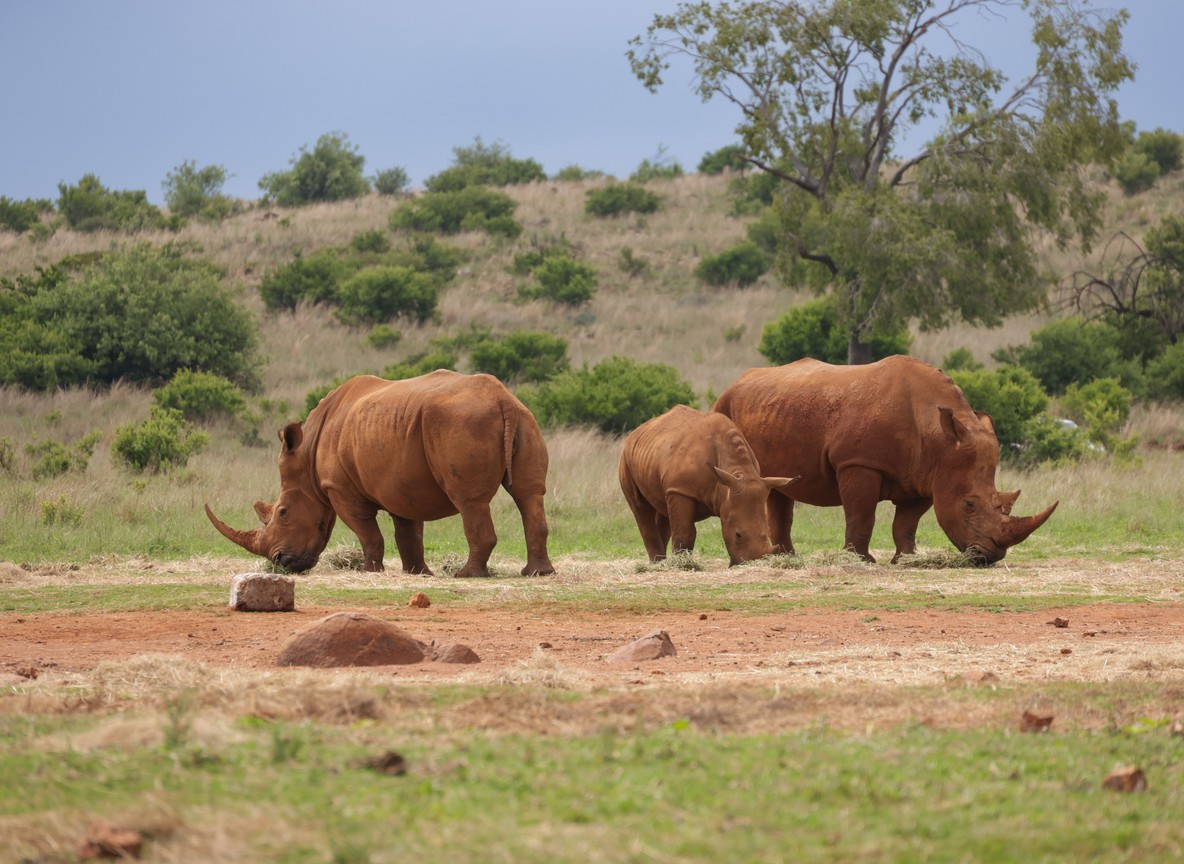
A few things drivers and guides mention that first-time visitors miss. Traffic on Langata Road can add real time to a Main Gate arrival. Build in a buffer if you’re coming from a downtown hotel or the airport. The best skyline-and-wildlife photo angle sits near the dam viewpoints toward the park’s north side, where the towers line up cleanly behind grazing animals in early light. Guides also note that rhino sightings cluster more reliably near Impala Point than elsewhere in the park. Ask your driver to prioritize that route if rhinos top your list. Finally, the unfenced southern side means afternoon game drives sometimes turn up animals moving toward Kitengela as the day cools, a pattern worth asking your guide about on arrival.
What to Read Next
- Curious what else fits around a Nairobi National Park visit? See our Nairobi National Park guide.
- Building a same-day Nairobi itinerary? Check our Nairobi safari day trips guide.
- Want to add the elephant nursery to your visit? Read our David Sheldrick Elephant Orphanage guide.
FAQ
How far is Nairobi National Park from the city center? The Main Gate sits about 7 km from Nairobi’s central business district, roughly a 15 to 20 minute drive outside peak traffic hours.
Is Nairobi National Park really unfenced? Its southern boundary stays open toward the Kitengela and Athi-Kapiti plains, letting wildlife move seasonally, while the city-facing sides stay fenced.
What does it cost to enter Nairobi National Park in 2026? Indicative non-resident rates run about $80 for adults and $40 for children after a 2026 fee increase. Confirm current pricing with KWS before you travel.
Are there elephants in Nairobi National Park? No. Elephants were relocated decades ago because the park’s limited range could not support a resident herd long term.
What other parks compare to Nairobi’s urban safari model? Akagera National Park near Kigali, Rwanda, and Mikumi National Park along Tanzania’s Tanzam Highway both put strong wildlife within a few hours of a major city, though neither borders its city with an open, unfenced edge the way Nairobi does.
Nairobi National Park proves a safari does not need a bush airstrip to feel real, just an open boundary and the patience to use it well. If a Nairobi morning safari sounds like the right start to a longer Kenya trip, visit our Tour Packages page or ask a partner operator to build one into your itinerary.